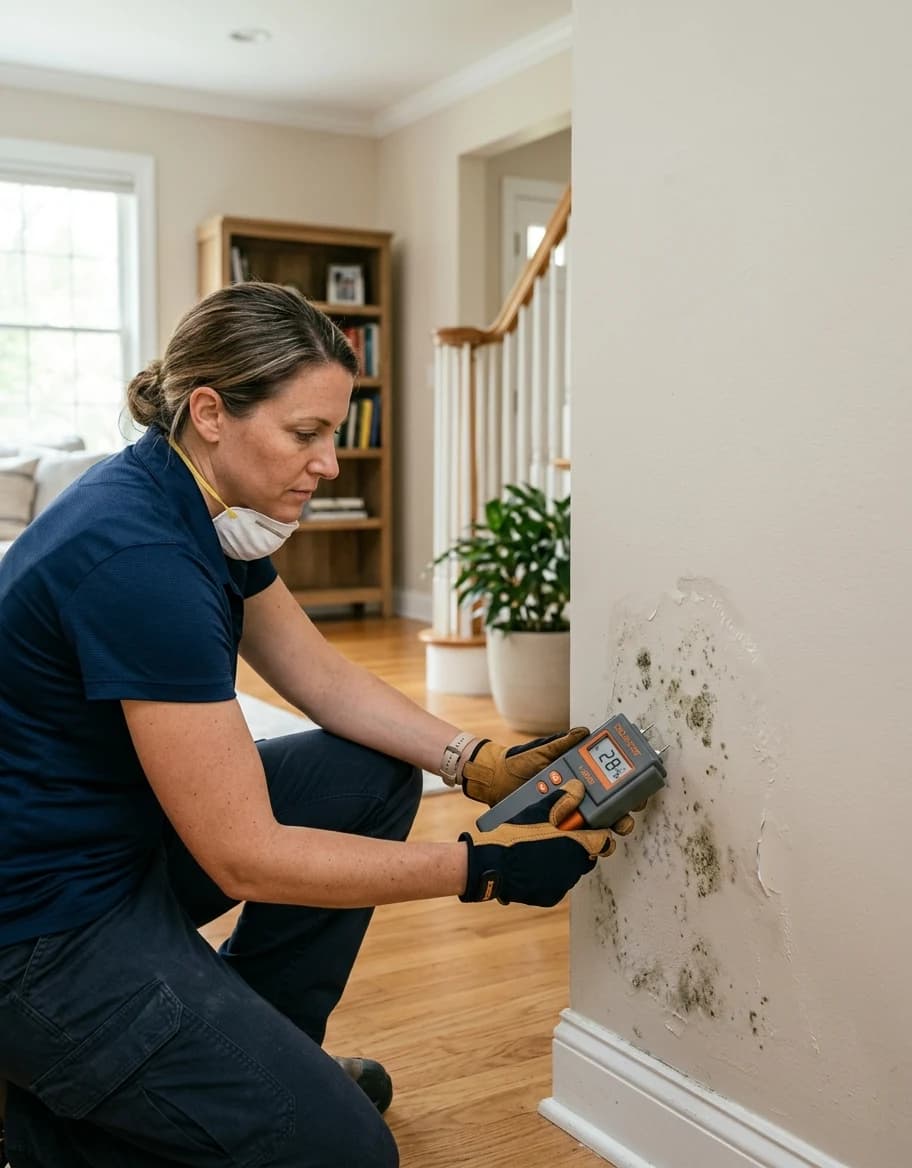
What are the common early signs of mold?
Mold often begins with subtle signs, such as a musty odor or discolored patches on walls or ceilings. While these signs may seem minor, they can indicate a larger, hidden problem. Pay attention to persistent respiratory issues in your home, such as coughing, sneezing, or sinus congestion, as they can be a hidden indicator of mold presence. In Alpine, NJ, where humidity can be high, keeping an eye on these early signs is crucial. Regularly inspect areas prone to moisture, such as bathrooms and basements, for any unusual changes. Mold can also appear as fuzzy growths on surfaces or as small black, green, or white spots. If you notice any peeling or bubbling paint, it could also signal moisture accumulation behind walls, creating a perfect environment for mold. Don't overlook window sills and HVAC systems, as mold can grow in these areas, especially if condensation is frequent.
How can moisture and humidity contribute to mold growth?
Moisture is a key factor in mold development, and it thrives in environments where there is excess moisture or humidity. Areas with poor ventilation or leaks are particularly vulnerable. Bathrooms and kitchens, where water usage is high, are common places for mold to develop if not properly ventilated. Use a dehumidifier in high-humidity rooms and ensure proper ventilation in bathrooms and kitchens by using exhaust fans or opening windows to allow moisture to escape. Regular maintenance of your plumbing and roof can help prevent leaks. Check under sinks for drips or signs of water damage, and inspect ceilings for leaks after heavy rain. If you suspect moisture issues are leading to mold, consider reaching out to our services for a professional assessment. Additionally, controlling indoor humidity levels is vital. Aim to keep humidity levels below 60% by using air conditioners or dehumidifiers, especially during the warmer months. Consider installing moisture barriers in basements and crawl spaces to prevent water seepage from the ground.
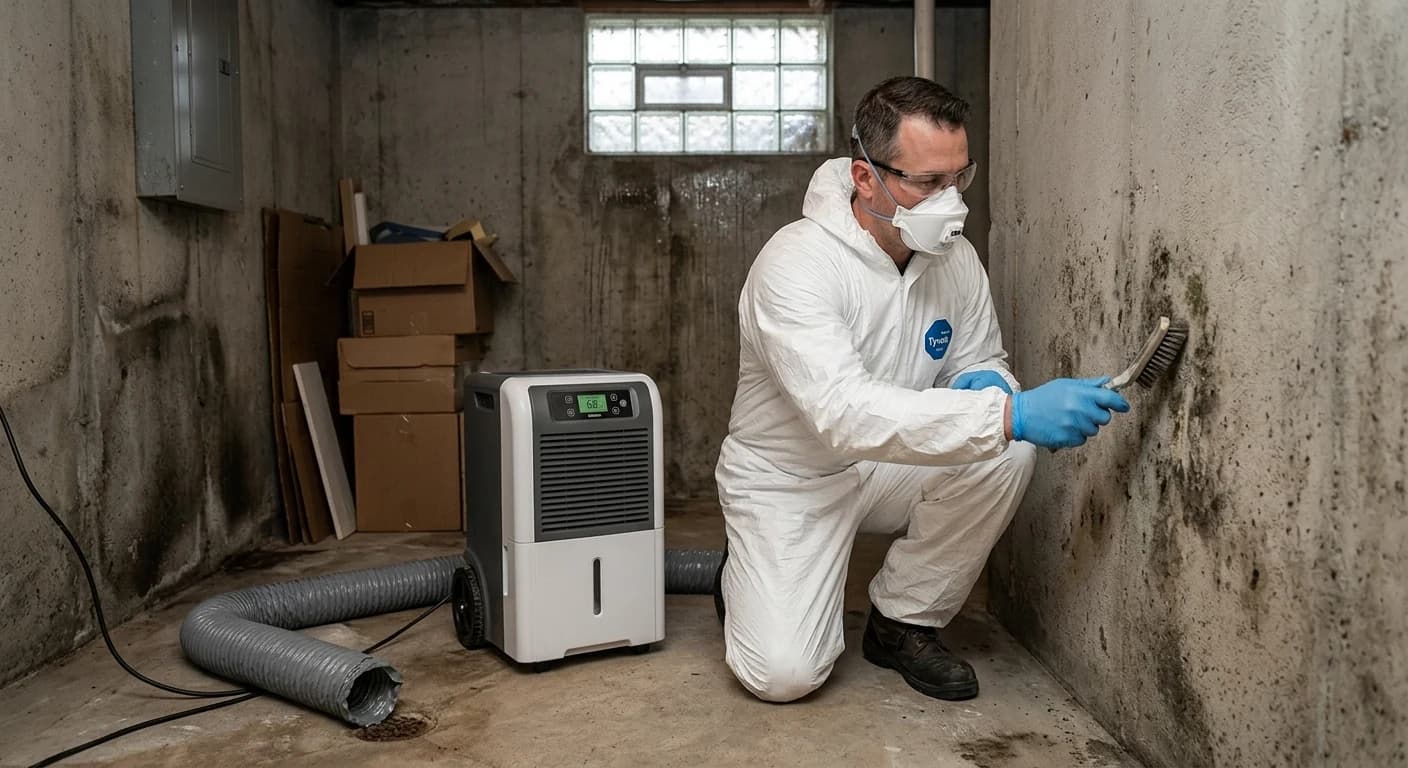
What tools can help in detecting mold early?
Simple tools like moisture meters and thermographic cameras can help identify potential mold hotspots. Moisture meters can measure the moisture content in materials like wood, drywall, or concrete, indicating areas where mold might thrive. Thermographic cameras detect temperature variations, which can be useful in identifying hidden leaks or areas with poor insulation that might lead to condensation and mold growth. Regular use of these tools, especially in mold-prone areas, can help catch mold before it becomes a significant problem. For homeowners, a hygrometer can be a valuable tool to monitor indoor humidity levels. It's a small investment that can alert you to high humidity conditions before mold has a chance to develop. Another helpful tool is a boroscope, which allows you to see inside walls or other hard-to-reach places without causing damage, making it easier to spot mold in hidden areas. If you're not comfortable using these tools yourself, hiring a professional mold inspector can provide peace of mind and ensure a thorough evaluation of your home.
Preventive Measures to Minimize Mold Risks
Prevention is always better than cure, especially when it comes to mold. One of the most effective ways to prevent mold is by controlling the indoor environment. Start by ensuring your home is well-ventilated. Use exhaust fans in bathrooms and kitchens to expel moisture-laden air, and consider installing an attic fan to improve air circulation throughout the house. Regularly clean and maintain your HVAC system, as a well-functioning system can help regulate humidity levels. Additionally, replace HVAC filters every three months to prevent mold spores from circulating. It's also crucial to address any water issues promptly. Fix leaky pipes, roofs, or windows as soon as they are detected to prevent moisture accumulation. In areas prone to flooding, such as basements, consider installing a sump pump to manage excess water. Keep gutters clean and ensure downspouts direct water away from the foundation of your home. Furthermore, avoid carpeting in moisture-prone areas like bathrooms and basements, as carpets can trap moisture and become mold breeding grounds. Opt for tiles or other water-resistant flooring materials instead. Lastly, store items in dry areas and use moisture-resistant containers to prevent mold growth on personal belongings.
When to Seek Professional Mold Remediation
While some mold issues can be managed with home remedies, there are times when professional intervention is necessary. If mold covers an area larger than 10 square feet, it's advisable to contact a professional mold remediation service. Large infestations can pose health risks and require specialized equipment and expertise to remove safely. Additionally, if you experience persistent health issues such as allergies, asthma, or respiratory infections, it might be a sign of hidden mold, and professional assessment can help identify and address the problem. In cases where mold is found in hard-to-reach or sensitive areas, such as HVAC systems or behind walls, professionals have the tools and knowledge to handle these situations without causing further damage to your property. They can also conduct thorough inspections and provide long-term solutions to prevent mold recurrence. In regions like Alpine, where humidity levels can fluctuate, professionals can offer tailored advice to manage local environmental conditions effectively. Remember, improper handling of mold can lead to its spread, so seeking professional help ensures a comprehensive and safe resolution.
How to Address Mold Infestations Safely
When dealing with mold infestations, safety should be your top priority. Begin by wearing protective gear, including gloves, goggles, and a mask, to prevent exposure to mold spores. Before you start cleaning, isolate the affected area by sealing it off with plastic sheeting to prevent mold spores from spreading to other parts of your home. Use an air purifier with a HEPA filter to capture airborne spores during the cleanup process. For small mold patches, a solution of water and detergent can be effective. Scrub the moldy surface with a brush and ensure the area is thoroughly dried afterward to prevent regrowth. For porous materials like drywall or carpet that are heavily infested, removal and replacement might be necessary, as mold can penetrate deep into these materials. Always dispose of moldy materials in sealed plastic bags to prevent contamination. After cleaning, monitor the area for any signs of recurring mold. If the mold returns, it may be a sign of an underlying moisture problem that needs addressing. For larger infestations or if you're unsure about handling mold safely, consider hiring a professional mold remediation service. They have the expertise and equipment to ensure the mold is removed effectively and safely, minimizing health risks and preventing future issues.
Understanding the Health Implications of Mold Exposure
Mold exposure can have a range of health implications, particularly for individuals with pre-existing respiratory conditions or weakened immune systems. Common symptoms include nasal congestion, throat irritation, coughing, and skin rashes. In more severe cases, exposure can lead to asthma attacks or respiratory infections. It's crucial to be aware of these symptoms, especially if they persist over time or worsen in certain areas of your home. In homes located in humid environments, such as Alpine, NJ, the risk of mold-related health issues can be higher due to the conducive conditions for mold growth. To protect your health, ensure your living environment is well-ventilated and maintain indoor humidity levels below 60%. Regularly clean areas prone to moisture and ensure that your HVAC system is functioning efficiently to help filter out mold spores. If you or your family members experience persistent symptoms that you suspect are linked to mold, consult a healthcare professional. They can provide advice on managing symptoms and may recommend an inspection of your home for mold. Addressing mold issues promptly not only improves indoor air quality but also safeguards the health and well-being of everyone in your household.